Train accidents can cause catastrophic injuries, emotional trauma, and life-altering financial losses. Whether involving a pedestrian, vehicle, or rail worker, these incidents often raise complex legal questions about liability, negligence, and compensation.
Recent events across North Carolina highlight how quickly these accidents can happen—and how devastating they can be for those involved.
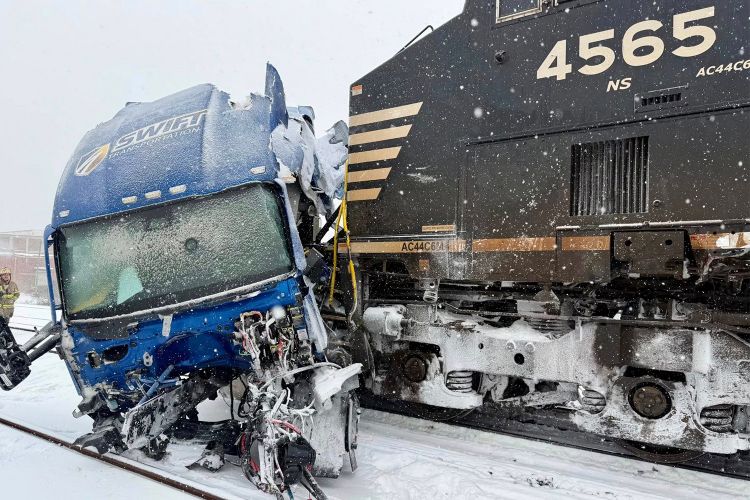
In early 2026, a semi-truck became stuck on railroad tracks in Gastonia during a snowstorm and was struck by a train, with the driver narrowly escaping serious injury.
Just weeks earlier, a pedestrian was killed after being hit by a train in Raleigh, underscoring the serious risks associated with rail crossings and track areas.
These incidents reflect a broader pattern: train accidents are rare but often severe, and victims may face long recoveries, permanent disability, or wrongful death situations.
Train collisions and injuries can occur for many reasons, including:
Vehicles stalled or trapped on railroad crossings
Unsafe pedestrian access near tracks
Mechanical failures or maintenance issues
Human error by operators or motorists
Severe weather conditions affecting visibility and traction
In some cases, multiple parties may share responsibility—such as railroad companies, municipalities, equipment manufacturers, or drivers.
Determining liability in a train accident requires a detailed investigation. Potentially responsible parties may include:
Railroad operators and companies
Local or state agencies responsible for crossing safety
Contractors or maintenance providers
Negligent drivers or third parties
Railroad companies and transit agencies must follow strict federal and state safety standards. When they fail to do so, injured victims may be entitled to compensation.
Because of the size and speed of trains, injuries are often severe and may include:
Traumatic brain injuries
Spinal cord damage
Amputations
Internal organ injuries
Burns and crush injuries
Fatalities in wrongful death cases
Medical costs, lost income, and long-term rehabilitation can place a heavy burden on victims and their families.
If you or a loved one is involved in a train accident in North Carolina:
Seek medical attention immediately
Report the incident to authorities
Document the scene, injuries, and witnesses
Avoid giving statements to insurers without legal guidance
Speak with a personal injury attorney experienced in railroad cases
Early legal support can preserve evidence and help protect your rights.
An experienced attorney can:
Investigate railroad safety violations
Work with accident reconstruction experts
Determine all liable parties
Negotiate with insurers and rail companies
Pursue full compensation for medical bills, lost wages, and pain and suffering
At Paul Robinson Law, our team understands the complexities of train accident cases and advocates aggressively for injured clients and families across North Carolina.
Train accident claims involve powerful companies, federal regulations, and complex investigations. You don’t have to face it alone.
If you or someone you love was injured in a train accident, contact Paul Robinson Law for a consultation and learn how we can help you pursue justice and compensation.
Call Us At
919-438-0065
105 S Ellington St, Clayton, NC 27520
124 St Marys St Ste 201, Raleigh, NC 27605
800 W Williams St #250 Apex, NC 27502


