
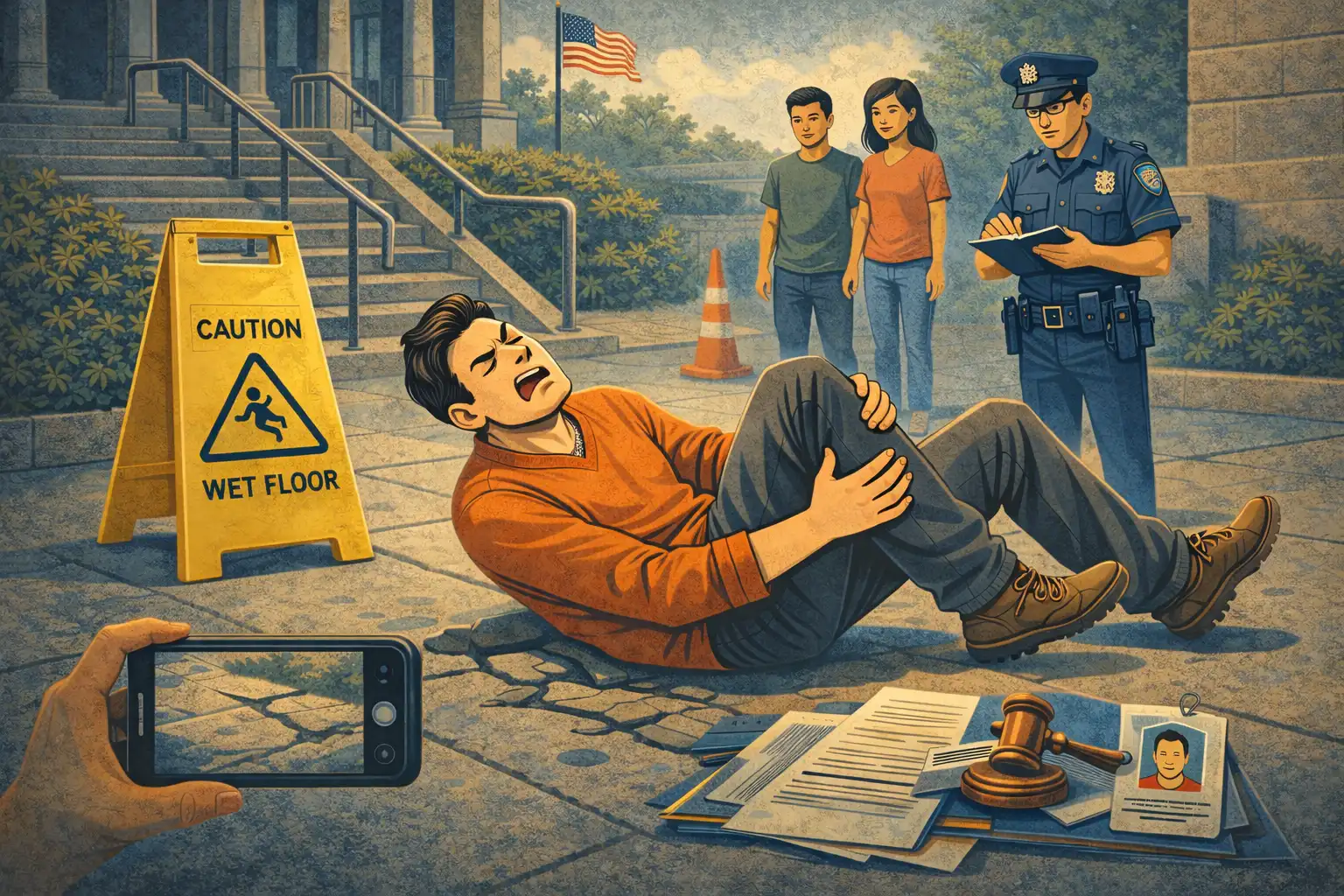
If you have been injured in a public place, your immediate actions are critical to the success of a future claim. Public property, from municipal parks and libraries to state-owned office buildings, is subject to unique legal standards known as sovereign immunity.
In legal terms, a public area injury occurs on property owned or maintained by a government entity. This includes city sidewalks, county parks, and state universities.
The core principle of North Carolina premises liability is that property owners owe a duty of "reasonable care" to all lawful visitors. This was famously affirmed in the case of Nelson v. Freeland, which established that owners must maintain their property in a reasonably safe condition and warn visitors of hidden dangers. However, when that owner is the government, the rules change.
The short answer is yes, but it is rarely straightforward. In North Carolina, the doctrine of sovereign immunity generally protects government entities from being sued unless they have waived that immunity.
If you are injured in a public place, follow these steps to preserve your right to a claim:
What is covered under public liability? If you successfully prove negligence, you may recover compensation for:
What is not covered under public liability? Government entities are rarely liable for "open and obvious" hazards. Under North Carolina’s strict contributory negligence rule, if you were even 1% at fault for not seeing a visible hazard, you may be barred from recovering any compensation.
The most dangerous part of accidents in public places claims is the timeline. While the general statute of limitations for personal injury in NC is three years, many municipalities require a Notice of Claim to be filed much sooner, sometimes within 180 days of the accident.
How to claim against public liability: Filing a claim involves submitting a formal document to the correct government agency detailing the date, location, and nature of the injury. Missing this window can permanently end your case before it even starts.
Navigating a claim against the government is a high-stakes process. You are not just fighting an insurance company; you are navigating state statutes and municipal charters.
At Paul Robinson Law, P.L.L.C., we understand the nuances of premises liability law in North Carolina. We help victims in Raleigh, Durham, and beyond determine if a waiver of immunity exists and how to meet strict filing deadlines.
To learn more about your rights, read our Guide to Personal Injury Law in North Carolina or explore our insights on Most Common Types of Personal Injury Lawsuits.
If you’ve been hurt on public property, don’t wait for the deadline to pass. Contact us today for a free consultation.
Call Us At
919-438-0065
105 S Ellington St, Clayton, NC 27520
124 St Marys St Ste 201, Raleigh, NC 27605
800 W Williams St #250 Apex, NC 27502